
The vertical integration of AI agents is becoming one of the most relevant trends in the ecosystem of artificial intelligence applied to business.
With the maturation of language models and the growing demand for more specialized solutions, companies in various sectors are seeking AI agents that go beyond generic interaction and deliver real results through applications focused on processes, APIs, and internal data.
In this article, we will explore in depth what AI agent verticalization is, how it differs from generic approaches, what technologies support this transition, and what the real-world use cases and future trends are.

What is vertical integration of AI agents?
Verticalizing an AI agent means building or training a model focused on a specific market segment, a particular task, or an internal organizational process.
This contrasts directly with horizontal agents, such as generic chatbots, which possess broad but shallow intelligence.
While a horizontal agent can discuss a wide range of topics, a vertical agent is highly effective in activities such as: customer support in logistics companies, specialized medical assistance, automated debt collection, or lead qualification for B2B sales teams.
Why generic agents are not enough
With the growth of applications based on LLMs (Large Language Models), Many companies have been charmed by the natural conversational capabilities of these systems.
However, in practice, the results show that generic intelligence is not enough to deliver ROI when dealing with complex processes or sensitive decisions.
Vertical integration allows for the incorporation of business logic, internal workflows, operational rules, and integrations with legacy systems – resulting in significant gains in efficiency and reliability.
According to Botpress, Vertical agents outperform generic agents in business environments because they are designed with deep context and tailored actions.

How does a vertically integrated AI agent work in practice?
Imagine an AI agent operating within the customer service department of an insurance company.
Unlike a traditional chatbot, this agent has access to the claims management system's API, knows the types of policies, interprets registration data, and follows the rules of the regulatory sector.
This agent can:
- Consult information directly in internal systems.
- Answer questions based on indexed internal documents.
- Perform workflows, such as opening support tickets or activating plans.
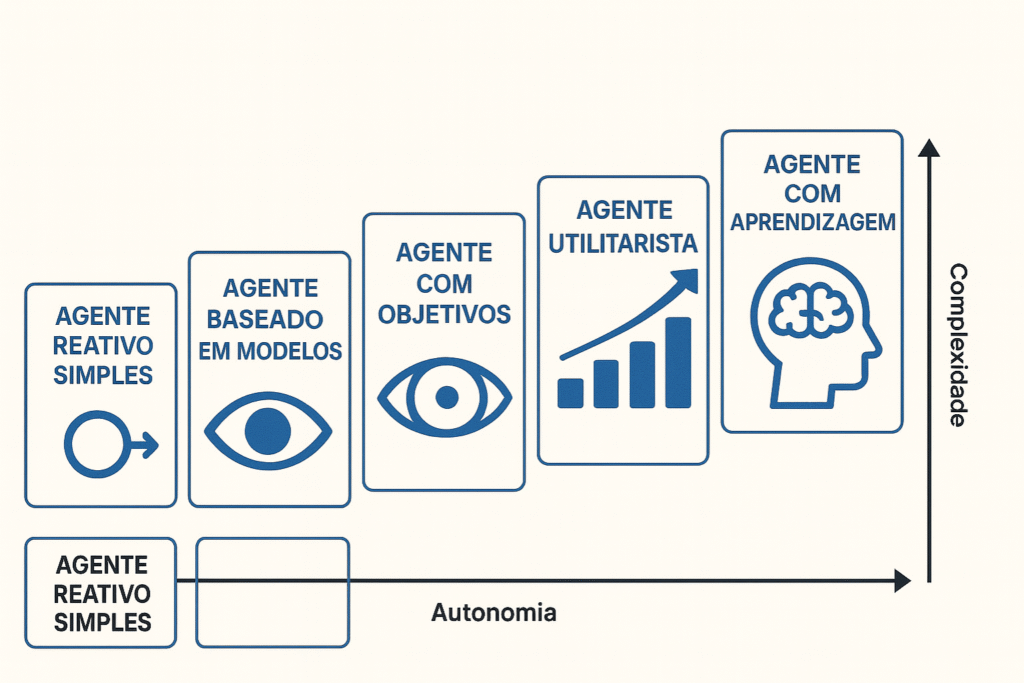
This level of autonomy is the result of combining foundational models (such as GPT or Claude) with agent frameworks (e.g., LangChain, AutoGen) and access to contextual data.
Detailed examples of AI agent verticalization
AI agent for legal support
Law firms and legal departments can use agents trained with legislative data, internal contracts, and case law to answer frequently asked client questions, automate document editing, and even conduct case screenings.
AI agent for the human resources sector
As described in the article by Piyush Kashyap, Vertical agents are being used to automate everything from resume screening to mock interviews, with job profiles integrated with company data.
AI agent for B2B sales
A trained agent equipped with sales playbooks, CRM data, and ideal customer profiles can automate tasks such as lead qualification, sending proposals, and responding to sales inquiries with personalized language.
AI Agent for Enterprise SaaS
Companies ranked SaaS have invested in specialized AI agents to onboard customers, provide contextualized technical support, and assist in activating features, directly contributing to reduced churn and increased lifetime value.
AI agent for finance and collections
A vertical agent in this context can negotiate overdue invoices, explain fees, and generate duplicate invoices based on compliance rules.
Research on artificial intelligence in financial services They demonstrate significant gains in operational efficiency in this model.
AI agent for clinical diagnosis
In the healthcare field, agents trained with internal medical data and hospital protocols assist in collecting patient data, screening for symptoms, and referring patients to the appropriate professional.
Tools and resources that enable vertical integration.
Building vertically integrated agents requires a technology stack that allows for behavior customization and integration with proprietary data.
Some of the most commonly used tools today include:
- LangChain and Semantic KernelThey allow for the orchestration of agents with control over memory, context, and functions.
- RAG (Retrieval‑Augmented Generation): combines AI with internal knowledge sources
- Platforms like Botpress They offer an interface for creating agents connected to APIs.
- Courses such as AI Agent Manager TrainingThey empower professionals to develop these systems.

How to measure the effectiveness of a vertically integrated AI agent.
With the increasing adoption of vertically integrated AI agents, the need arises to carefully evaluate their performance.
Simply implementing it doesn't guarantee results: it's essential to monitor real impact indicators for the business.
Response time and resolutionOne of the key KPIs is related to agility. Well-trained agents can drastically reduce the average time to resolve operational tasks and customer service requests.
Retention and engagement rateIn processes such as onboarding, support, or internal training, specialized agents contribute to increasing user engagement and reducing churn rates.
Accuracy in responsesVertical integration is a critical metric for agents operating in regulated areas (such as healthcare, legal, or financial). Vertical integration tends to reduce misinterpretations and contextual errors.
Savings in operational resourcesWith the automation of complex processes, it is possible to calculate the savings in man-hours and the efficiency gains by sector.
Qualitative user feedbackIn addition to quantitative data, listening to users about the clarity, usefulness, and fluidity of the interaction is essential for iterating the flows.
Continuous measurement of these indicators helps not only to validate the success of the initiative, but also to justify new investments and improvements in the agents already implemented.
Obstacles and precautions in the adoption of vertically integrated agents.
Despite the clear benefits, vertical integration also brings challenges. Among the most common are:
- Lack of structured data to train the agents.
- Low involvement of operations teams in workflow design.
- Lack of governance over hallucinations and model errors
To mitigate these risks, an iterative construction cycle is recommended, with constant validation of outputs and progressive integration with sensitive data.

The future of vertical integration of AI agents.
In the coming years, we will see an explosion of specialized micro-agents, each responsible for a set of tasks within a specific organizational context.
This movement is similar to what has already occurred with softwares and SaaSs per niche. One Deloitte report on Generative AI in companies It highlights that companies that adopt vertical agents tend to capture a competitive advantage more quickly.
Furthermore, research on Physical AI Agents They suggest that the next wave will integrate sensors and actuators into the digital context, enhancing results.
Companies that anticipate this trend will have a competitive advantage, with more efficient processes, lower operating costs, and greater customer satisfaction.
It is also expected that open models such as Dify and N8N They are gaining ground due to their flexibility in connecting agents to automation tools and business data.
Mastering AI with focus: the power of vertically integrated agents.
The vertical integration of AI agents is not just a technical evolution. It represents a paradigm shift in how we use artificial intelligence in the corporate environment.
By moving beyond generic promises and towards contextualized applications, it becomes possible to build systems that not only respond, but actually operate.
For professionals who want to lead this transformation, mastering the tools and methodologies of vertically integrated agents is an essential skill.
The article by Harvard Business Review on specialized AI model This reinforces that importance.
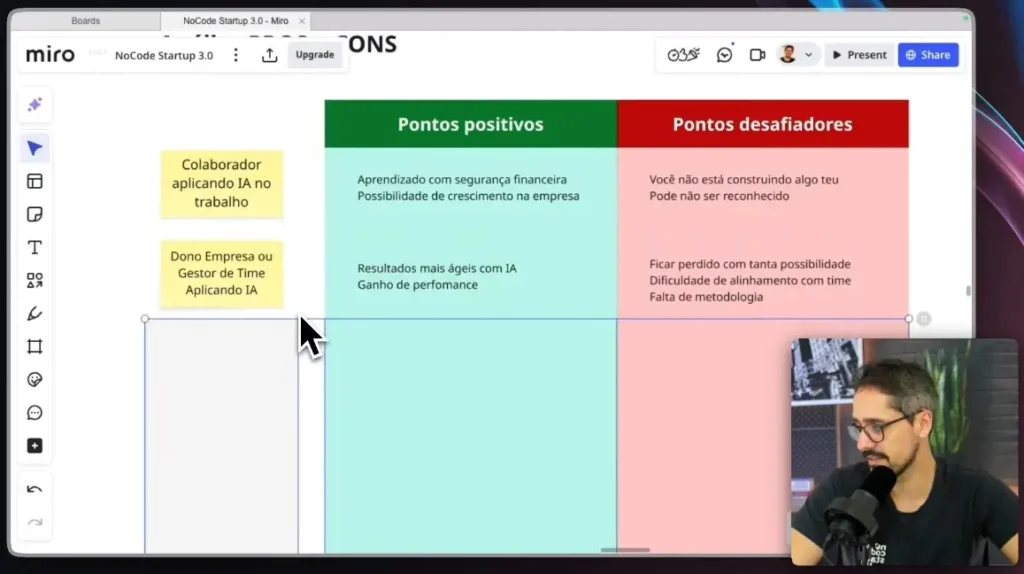
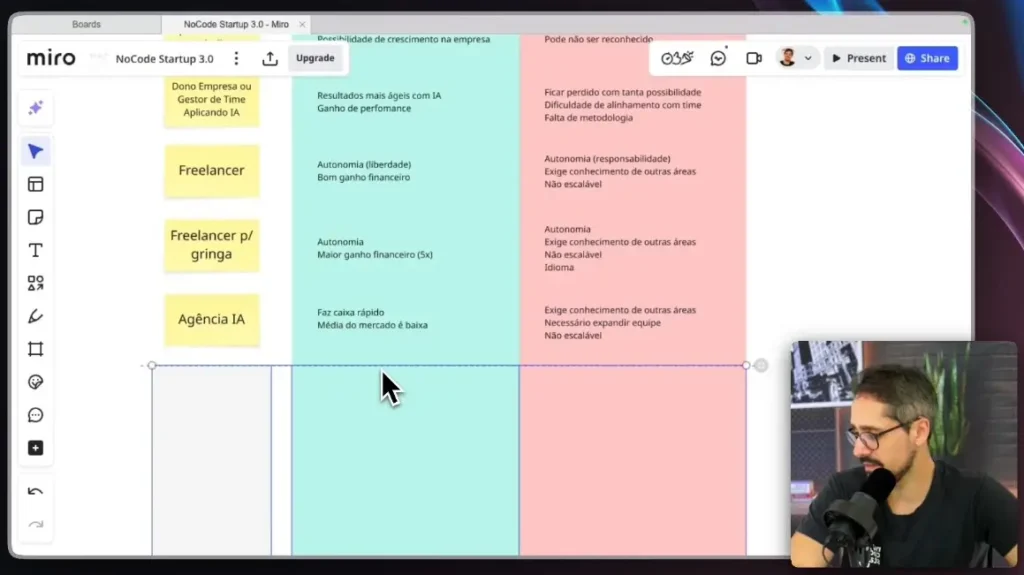
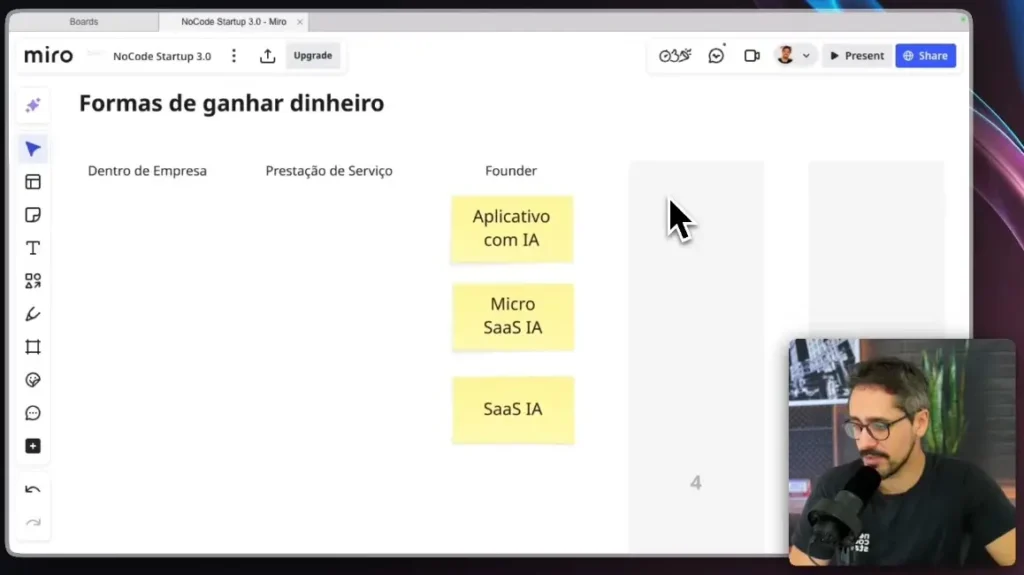
And that is precisely the focus of training programs such as... SaaS IA NoCode, which prepares entrepreneurs, freelancers, and B2B teams for this new scenario.















 EN
EN  PT
PT  ES
ES