

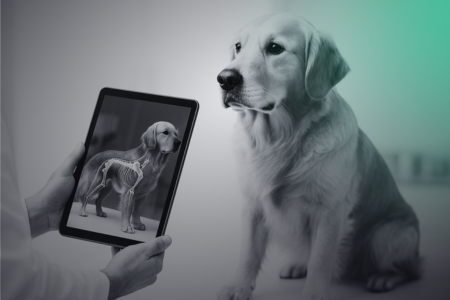
The adoption of AI for veterinary clinics It is profoundly reshaping animal healthcare. With the exponential increase in demand for faster, more effective, and personalized veterinary services, artificial intelligence is emerging as a strategic ally for clinics that want to raise their quality and productivity standards.
Contents
What is AI in the context of a veterinary clinic?
THE artificial intelligence (AI) It consists of using algorithms and computational models capable of simulating human decision-making.
In a veterinary clinic setting, this ranges from pattern recognition in imaging exams to automated appointment scheduling, including predictive diagnostic systems and automated medical record management.
Unlike traditional technologies, AI doesn't just automate tasks; it continuously learns from data.
This allows for more accurate diagnoses, faster interventions, and more efficient care.
Practical benefits of AI for veterinary clinics
The application of AI in veterinary clinics goes beyond innovation: it's about increasing the value of the care provided to pet owners and their animals.
One of the main impacts is in Reducing diagnostic errors, ...since AI systems can compare millions of clinical patterns in seconds. Furthermore, it enables:
- Early identification of diseases through analysis of clinical and laboratory data;
- Personalizing treatments based on history and behavioral patterns;
- Intelligent inventory and supply management;
- Optimizing the veterinary team's time.
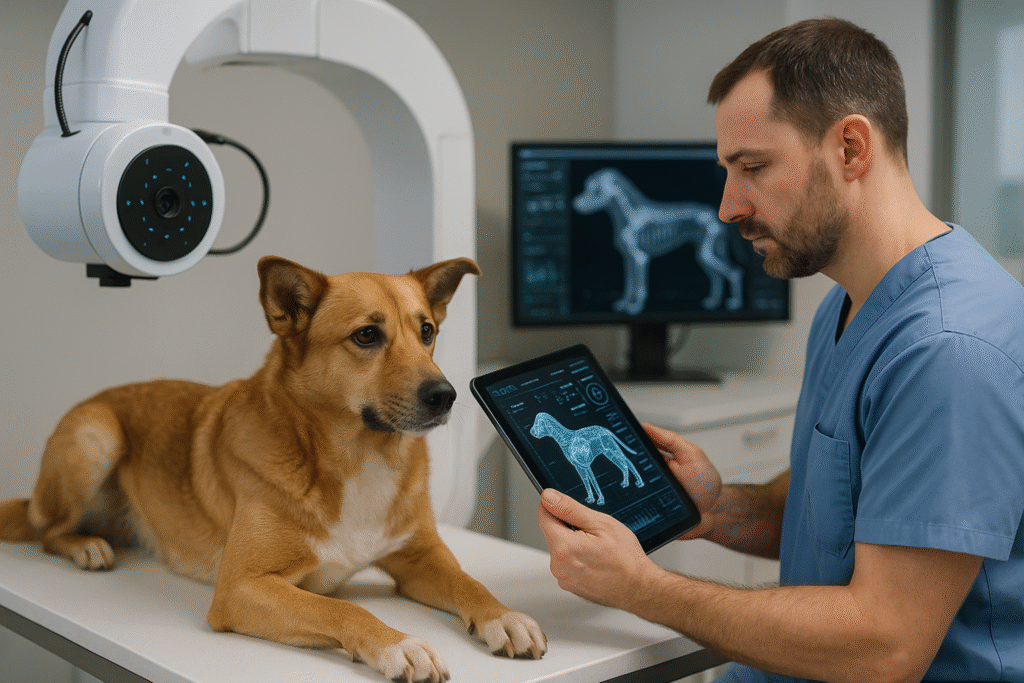
AI tools and technologies applied to veterinary medicine.
Modern clinics are already using AI-powered platforms that integrate different resources. Among the most popular tools are:
AI-assisted diagnostic systems
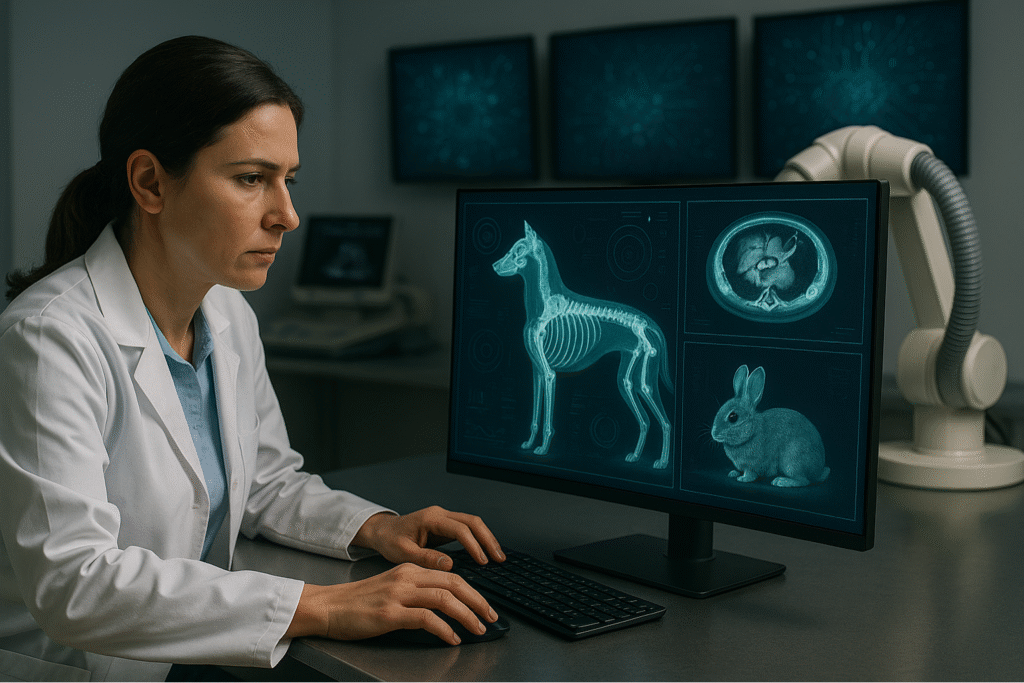
Solutions like Vetology AI and SignalPET They analyze imaging exams (such as X-rays) in real time, identifying anomalies with high precision. These technologies accelerate the interpretation of exams and increase the reliability of assessments.
Virtual triage assistants
AI-powered agents and applications perform the initial screening of symptoms reported by pet owners, prioritizing care and guiding professionals on potential differential diagnoses.
Smart electronic health records
Software such as Shepherd Veterinary Software They use machine learning to suggest treatments, remember vaccinations, and predict complications based on past medical history.
Real-life success stories: AI in veterinary clinics in Brazil and around the world.
In Brazil, the Golden Vets, located in Cotia (SP), was the first veterinary clinic in the country to adopt the AI-assisted radiology platform. SignalPET.
According to clinical director Beatriz Soares Petri de Oliveira, the preview generated by the algorithm reduces the report delivery time from 24 hours to approximately 15 minutes, speeding up the start of treatment and increasing pet owner satisfaction.
In the United States, the Banfield Pet Hospital developed models of machine learning supported by more than eight million electronic medical records for predict the risk of chronic kidney disease in dogs and cats up to two years earlier.
The report Veterinary Emerging Topics 2023 It indicates an accuracy greater than 95% % and shows sustained reductions in anesthetic mortality after the adoption of clinical protocols based on these predictions.
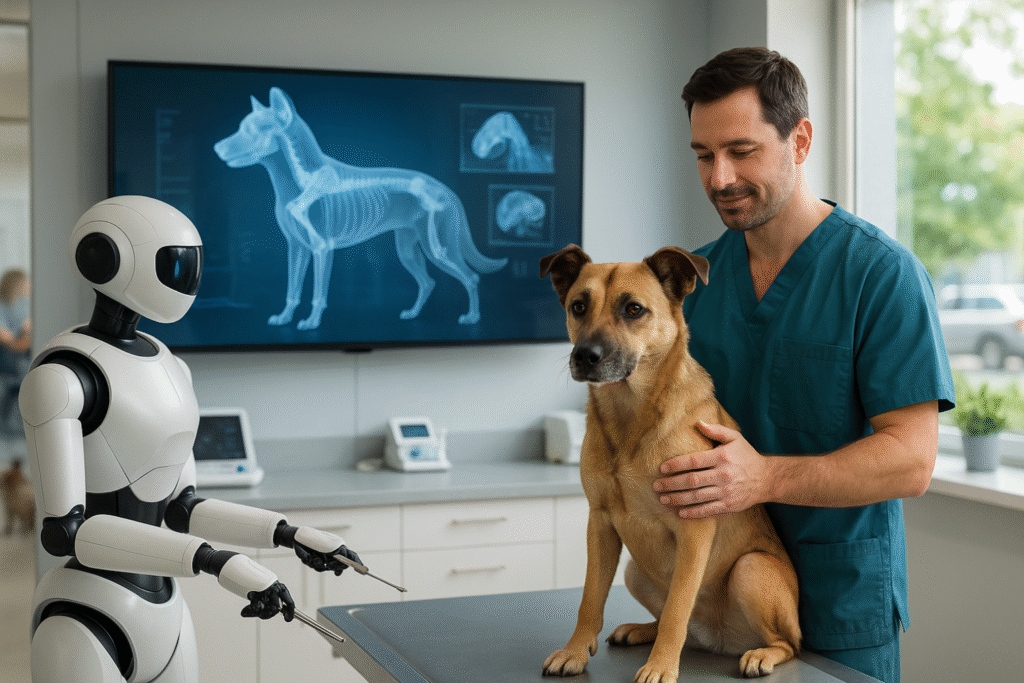
How to implement AI in your veterinary clinic.
Before adopting any AI solution, it's essential to understand the reality of your clinic. The first step is to map the processes that consume the most time or have the highest chance of error.
Next, choose tools that are compatible with your service model.
It is also recommended to train the team in no-code and AI technologies. AI Agent and Automation Manager Training No Code Startup is an excellent option for teams that want autonomy in implementing artificial intelligence.
Common barriers and how to overcome them.
Despite the benefits, many clinics face challenges such as:
- Lack of technical knowledge about AI;
- Cost of implementing the technologies;
- Team resistance to process change.
These issues can be overcome with continuing education, strategic planning, and the selection of accessible tools.
Courses like the N8N Course They help create complex automations without coding, which reduces deployment costs.
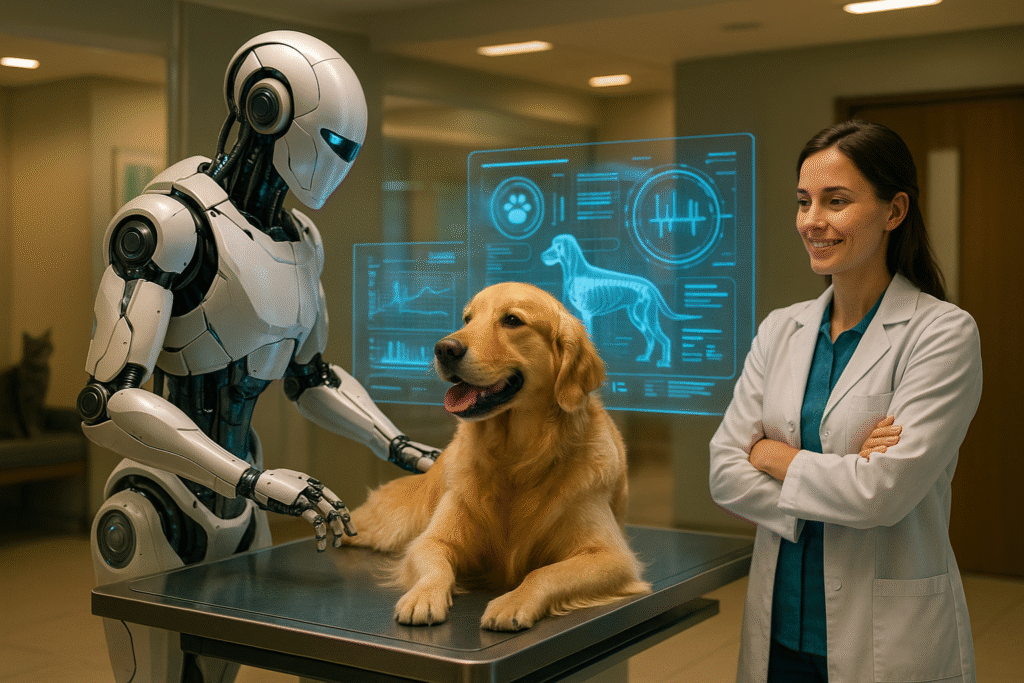
The future of AI for veterinary clinics: what's coming next?
Future innovations should include conversational agents trained on veterinary clinical data, integration with wearable devices for remote animal health monitoring, and more robust predictive algorithms.
Companies like VET.AI and the IDEXX They are leading this global transformation, which shows that the trend is irreversible.
For clinics that want to get ahead, starting to explore the possibilities of AI for veterinary clinics It's not just a strategic choice, but a necessity.
Next steps: empower yourself to lead the transformation.
By incorporating AI for veterinary clinics In your team's daily routine, you not only increase operational efficiency, but also deliver more humanized and proactive care.
Want to master the entire process of planning, implementing, and scaling these solutions? Enroll in... AI Agent and Automation Manager Training Join the No Code Start Up and become a leader in veterinary innovation.


















 EN
EN  PT
PT  ES
ES 